
Why repointing matters with Brumshield Roofing and Building
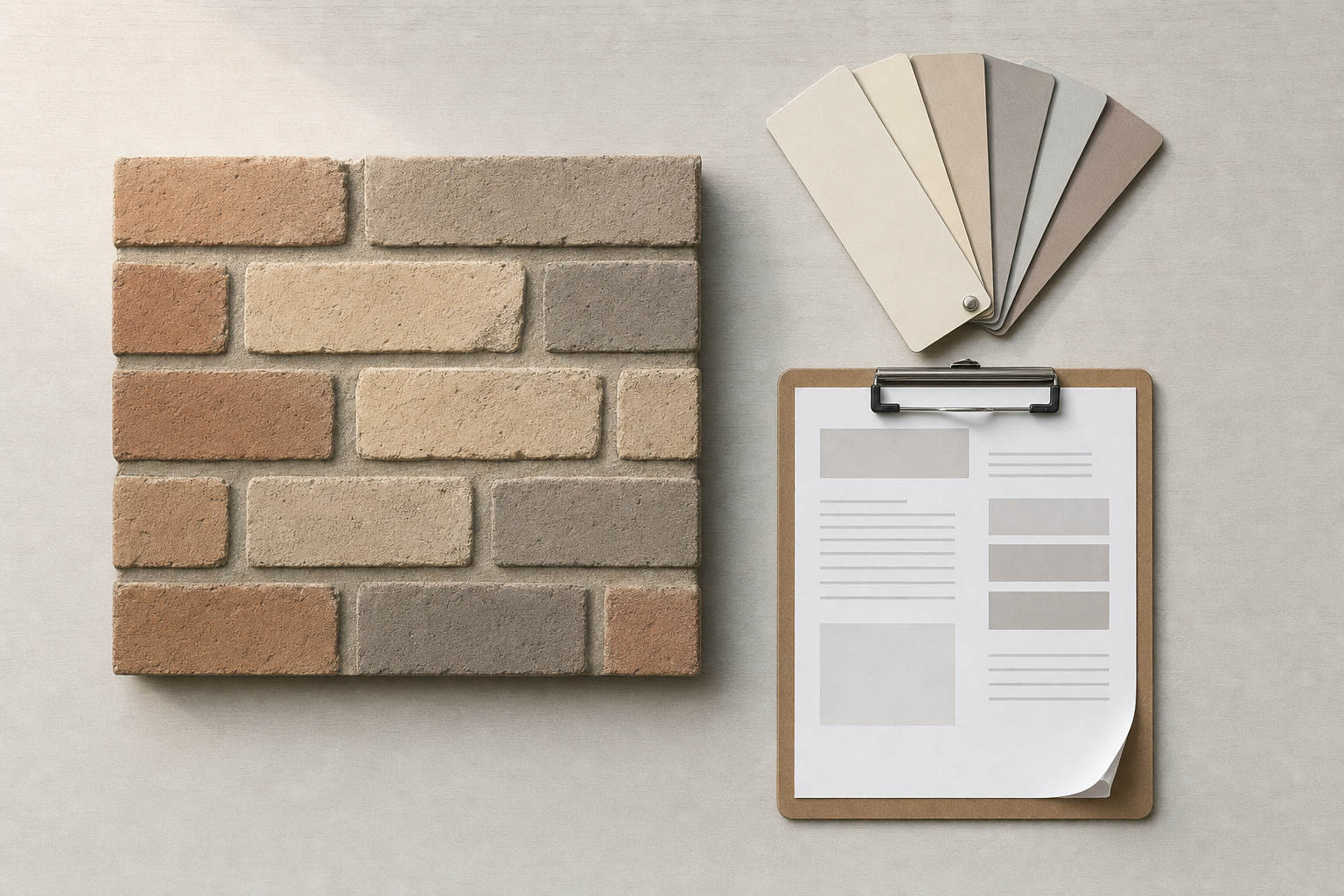
Compatible mortar choice
We assess the wall first, then use replacement mortar that suits the existing work.
Joints prepared properly
Failed mortar is removed and cleaned out before new pointing goes in.
Better protection and finish
Repointing helps reduce water ingress and gives the brickwork a tidier look again.
Worn joints leave sound brickwork exposed
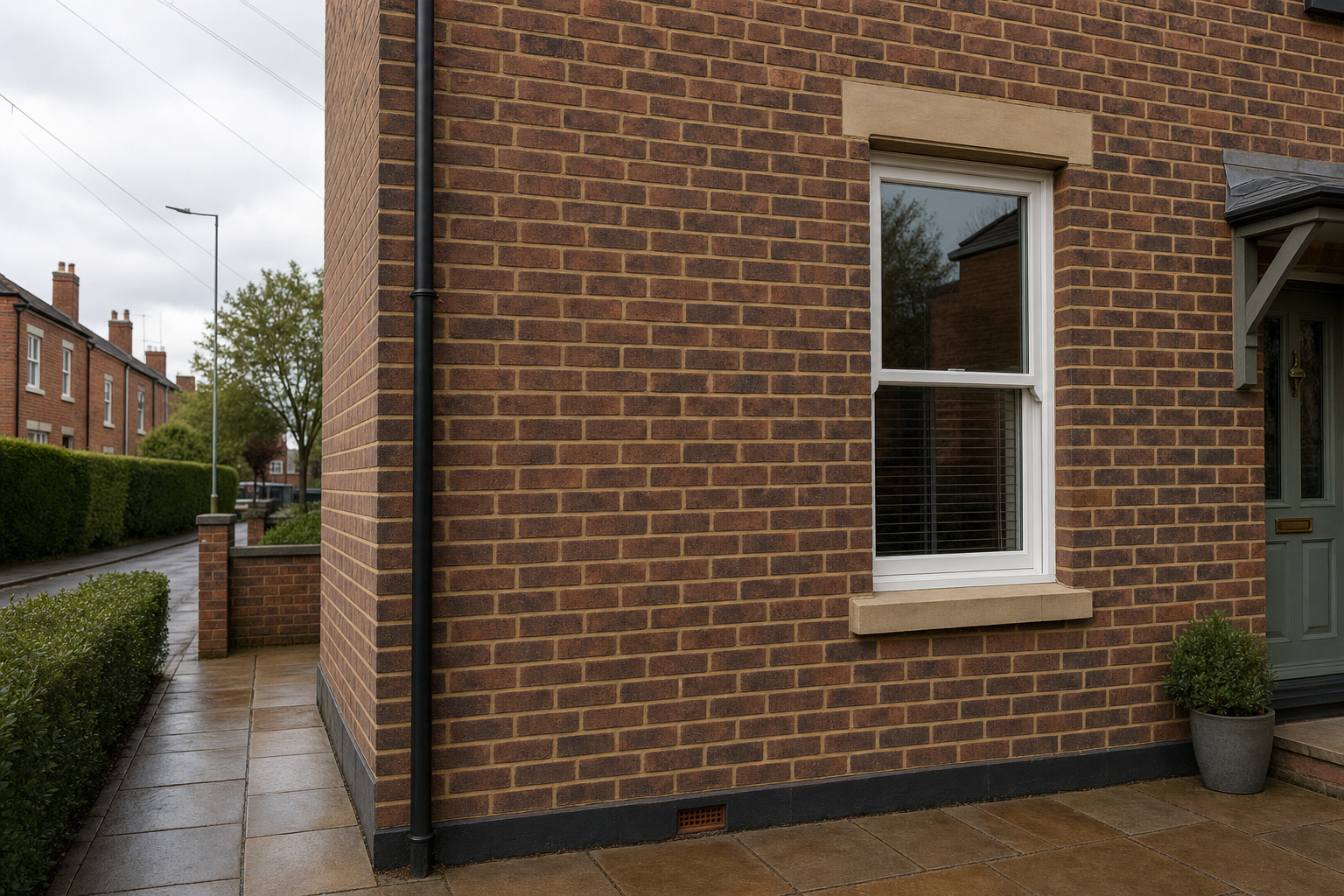
Brickwork can still be sound, while the mortar holding it together is telling a different story. When joints are eroded, cracked or missing, the wall loses part of its weather protection and moisture has an easier route into the masonry. Repointing restores that exposed line of defence. We begin by assessing joint depth, the condition of the bricks and the look of the existing mortar before choosing a compatible replacement. With us, the point is not to smear new mortar over the old face and hope for the best. We prepare the joints properly so the finished work does the job it is there for.
Careful preparation makes cleaner repointing
Good repointing is careful, methodical work. We remove the defective mortar, clean the joints out, apply the new mortar and finish it to suit the wall, then allow suitable curing time. That helps restore joint integrity, reduces water penetration and gives the brickwork a more even appearance again. Choosing Brumshield Roofing and Building means the repointing can sit alongside roofing or rainwater work when exterior defects are linked, saving you from juggling separate trades for problems that are feeding into each other. With our team, the joint is treated as a working weather seal, not just a visual line.
Frequently asked questions
Why repoint instead of replacing the bricks?
If the bricks themselves are still sound, repointing can restore the protection around them without unnecessary replacement. The weak point is often the failed mortar joint, which lets in more weather and moisture while the surrounding brickwork remains serviceable.
How do you match the new mortar?
We assess the depth and condition of the joints and the look of the existing mortar before selecting a compatible replacement. That helps the finished pointing sit more naturally on the wall and behave more appropriately with the existing brickwork.
Does repointing help with damp?
It can help reduce water penetration through defective joints, especially where mortar has eroded badly. It is not a cure for every damp problem on its own, but it restores a key part of the wall's weather protection and can be important where exposed masonry is taking water.