
Why call our team when you need urgent help?
Make-safe without delay
We secure immediate hazards first, so water and loose materials cause less damage.
Practical urgency checks
Ground-level photos and a clear description help us judge the risk before access starts.
Permanent fix planned
Once the roof is safe to inspect fully, we set out the proper repair, not just a temporary solution.
When the roof suddenly fails, speed matters
When rain is coming in, or a storm has shifted materials on the roof, the first job is to stop the situation getting worse. We deal with urgent roof problems such as active water ingress, storm damage, loose coverings and roof materials that could come free and damage the property below. Our first assessment is about safety and immediate risk, because the right answer on day one may be make-safe work, rather than a full repair in the dark or the rain. With us, you get a practical view of what can be secured straight away, what needs a closer look once access is safe, and how the permanent repair will follow.
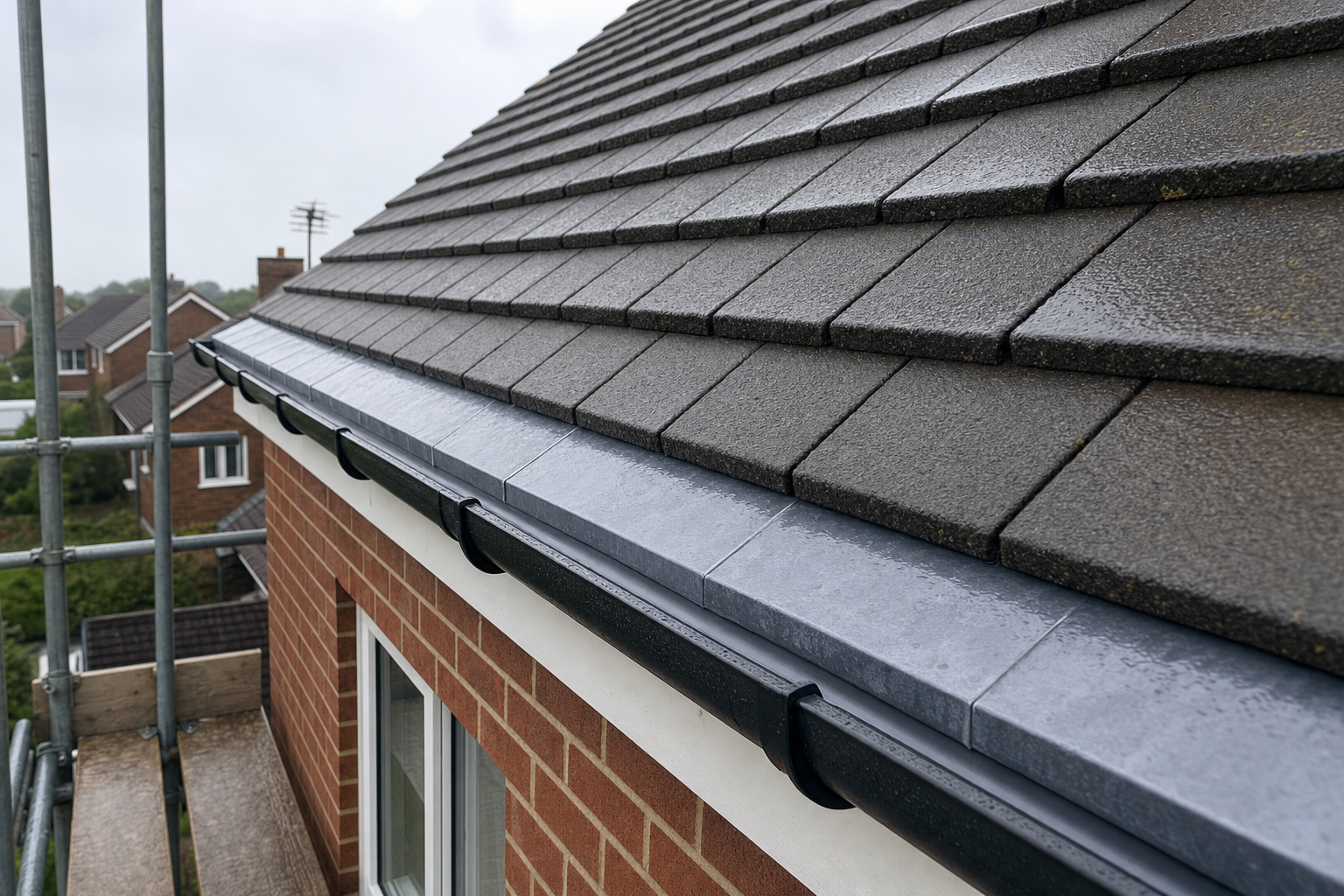
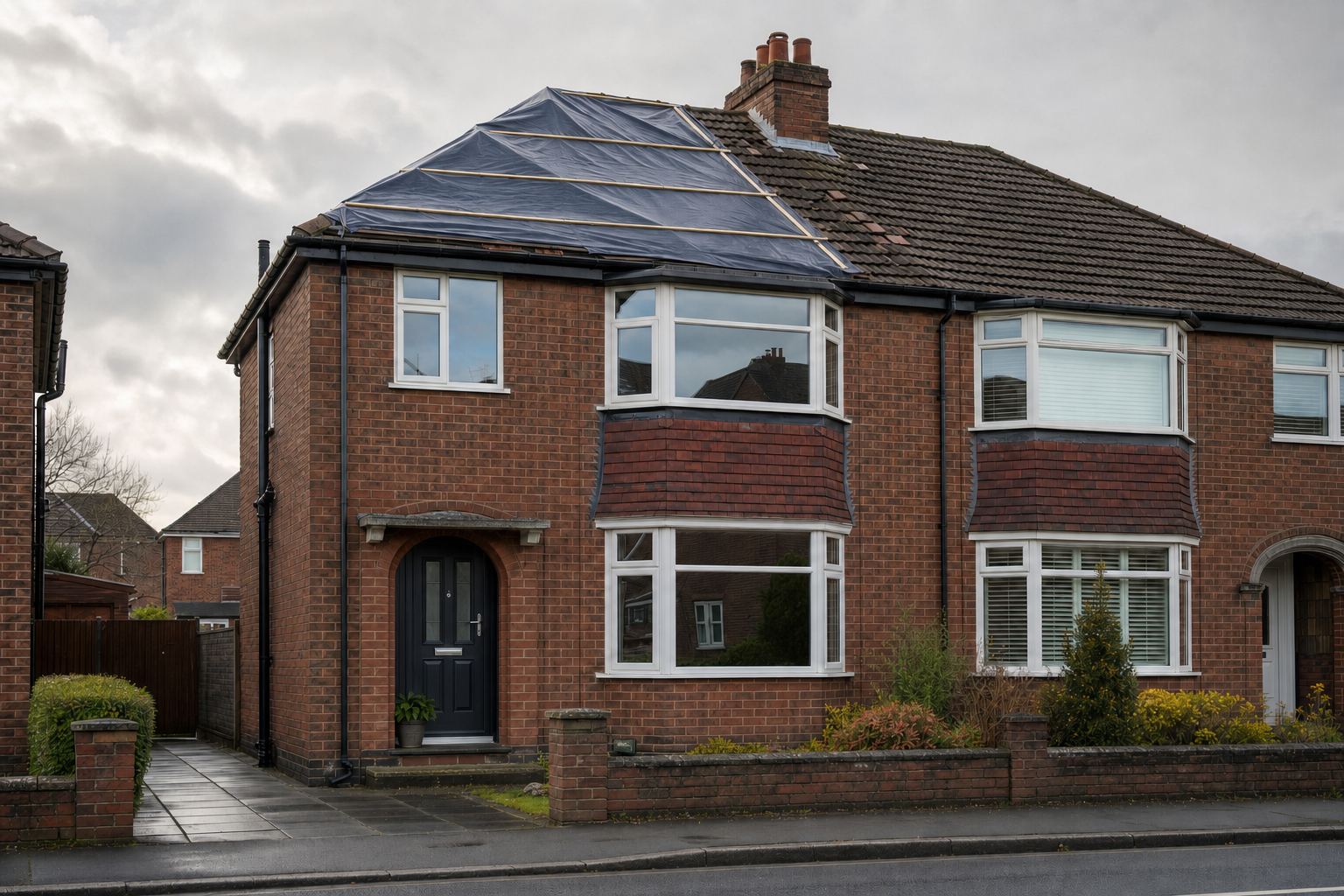
What to tell us and how to stay safe
A detailed first message can save time. Tell us where water is getting in, when the damage happened, what has changed outside and, if you can do it safely from ground level, send photos. That helps us judge urgency before we arrive. While access is being arranged, keep clear of wet electrics, unstable ceilings and any fallen materials, because a bucket under a drip is helpful, but you should never attempt unsafe roof repairs yourself. Choosing Brumshield Roofing and Building means straight advice on the difference between immediate make-safe work and the fuller repair once the roof can be inspected properly. With us, safety comes before guesswork.
Frequently asked questions
What counts as a roofing emergency?
An emergency is any roof problem causing active water ingress, leaving coverings displaced, or creating loose material that could fall or let the weather in fast. We assess the immediate risk first, then decide what can be made safe straight away and what permanent repair should follow.
What should we send in a message?
Tell us when the damage happened, where water is coming in, what you can see from outside and whether anything has fallen or moved. Photos taken safely from ground level are useful. That gives us a better idea of urgency and what access or materials may be needed.
What should we do while waiting for access?
Stay clear of wet electrics, sagging ceilings and loose debris. Move valuables out of the drip zone if you safely can and use containers to catch water, but do not climb onto the roof or use a ladder in poor conditions. Keeping people safe comes first while access is being arranged.