
Why damp work needs Brumshield Roofing and Building
Cause before cure
We identify whether the damp is rising or penetrating before choosing treatment.
Linked defects considered
Roof, wall and rainwater faults are checked together where moisture paths overlap.
Drying and repairs planned
The job covers source control, treatment, drying time and restoring damaged finishes.
Treat the moisture route, not just the stain
Damp needs sorting at the source, and not ignored. Rising damp and penetrating damp behave differently, show up in different places and usually get into the building by different routes, so the first job is diagnosis. We look at the moisture pattern, the affected area, outside defects, rainwater systems and any existing damp protection before talking treatment. With Brumshield Roofing and Building, that means you get a solution matched to the damp mechanism rather than a one-size-fits-all answer that sounds clever and fixes little.
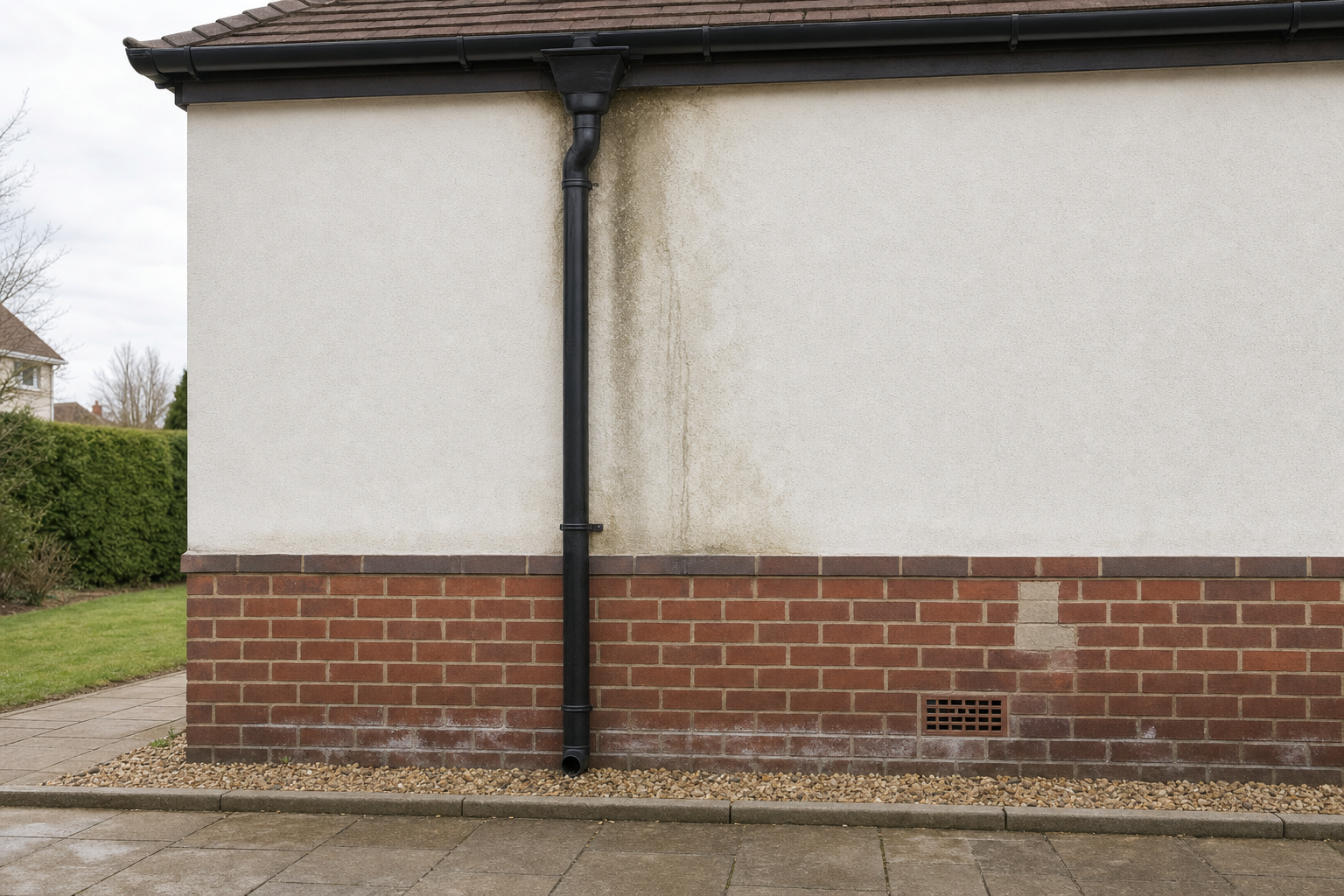
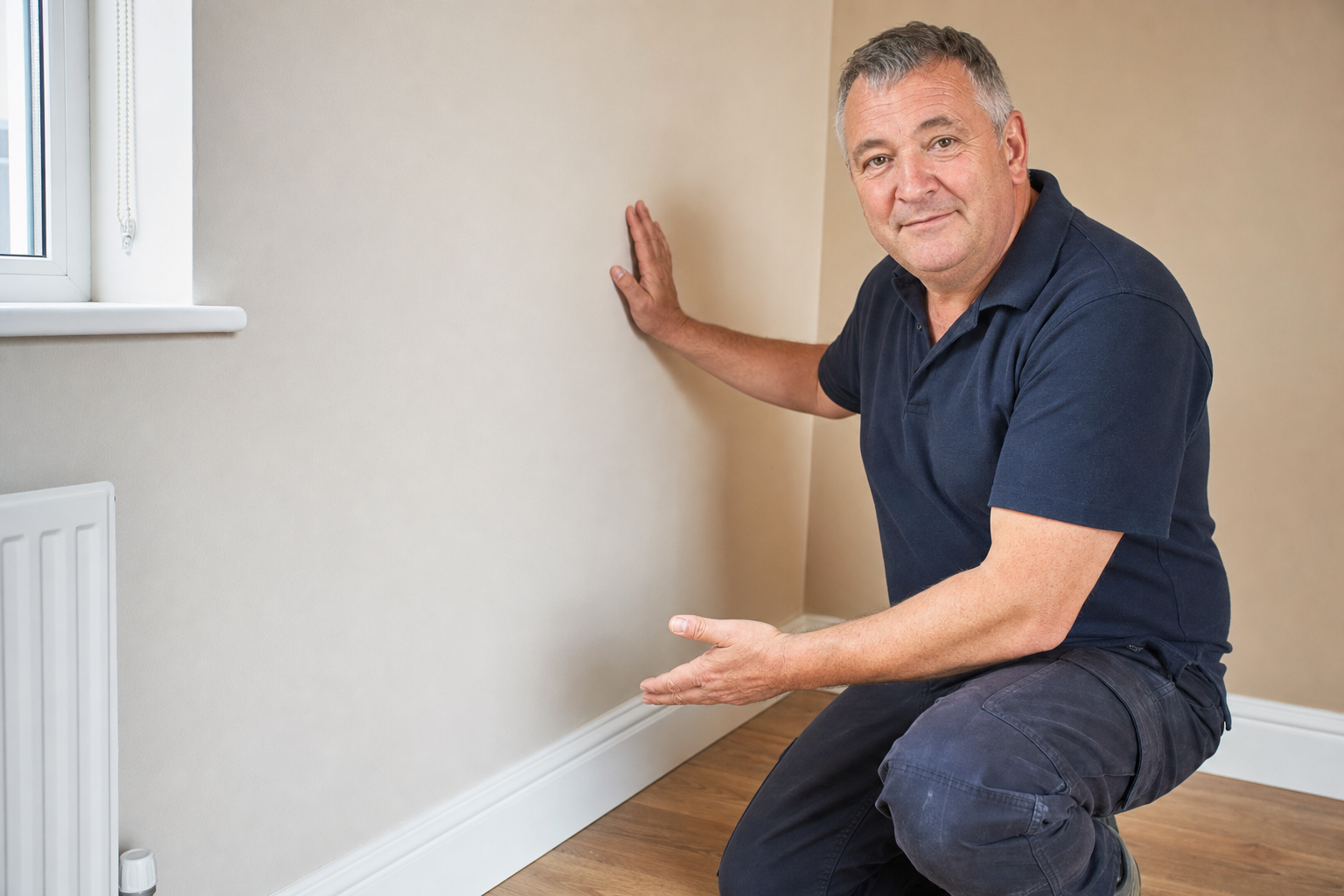
Diagnosis first, then the right treatment
Once the moisture route is identified, the work can be planned properly. That may mean dealing with external defects, improving rainwater control, applying the chosen damp treatment and allowing affected materials time to dry before finishes are restored. Good materials matter, but so does sequence, because sealing over a still-active source is just decorating the problem. Choosing our team means the roof, wall and moisture issues can be looked at together when the cause sits across more than one part of the property. With us, the fix starts with what is feeding the damp.
Frequently asked questions
How do you tell rising and penetrating damp apart?
We look at where the moisture appears, the pattern it forms and the likely route into the building. Rising damp and penetrating damp usually affect different areas and behave differently, so diagnosis starts with the symptoms on site rather than a one-word label.
Do you treat the cause as well as the damage?
Yes, that is the whole point. We check external defects, rainwater systems and existing protection so the source is dealt with before or alongside treatment. Simply covering the symptoms indoors leaves the moisture route active and the problem likely to return.
What happens after damp treatment?
Affected materials often need time to dry, and damaged finishes may need restoring once the moisture source is controlled. We plan the work in that order, because sealing or decorating too early can trap problems that should be allowed to dry out first.