
Why structure helps swimming feel more manageable
Clear session sequence
Knowing what comes next can reduce stress and make new tasks easier to attempt.
Teaching matched to understanding
Cues, language and demonstrations are shaped around how your child learns.
Familiarity before pressure
We let the pool environment become more predictable before raising demand.
Structured sessions that make sense
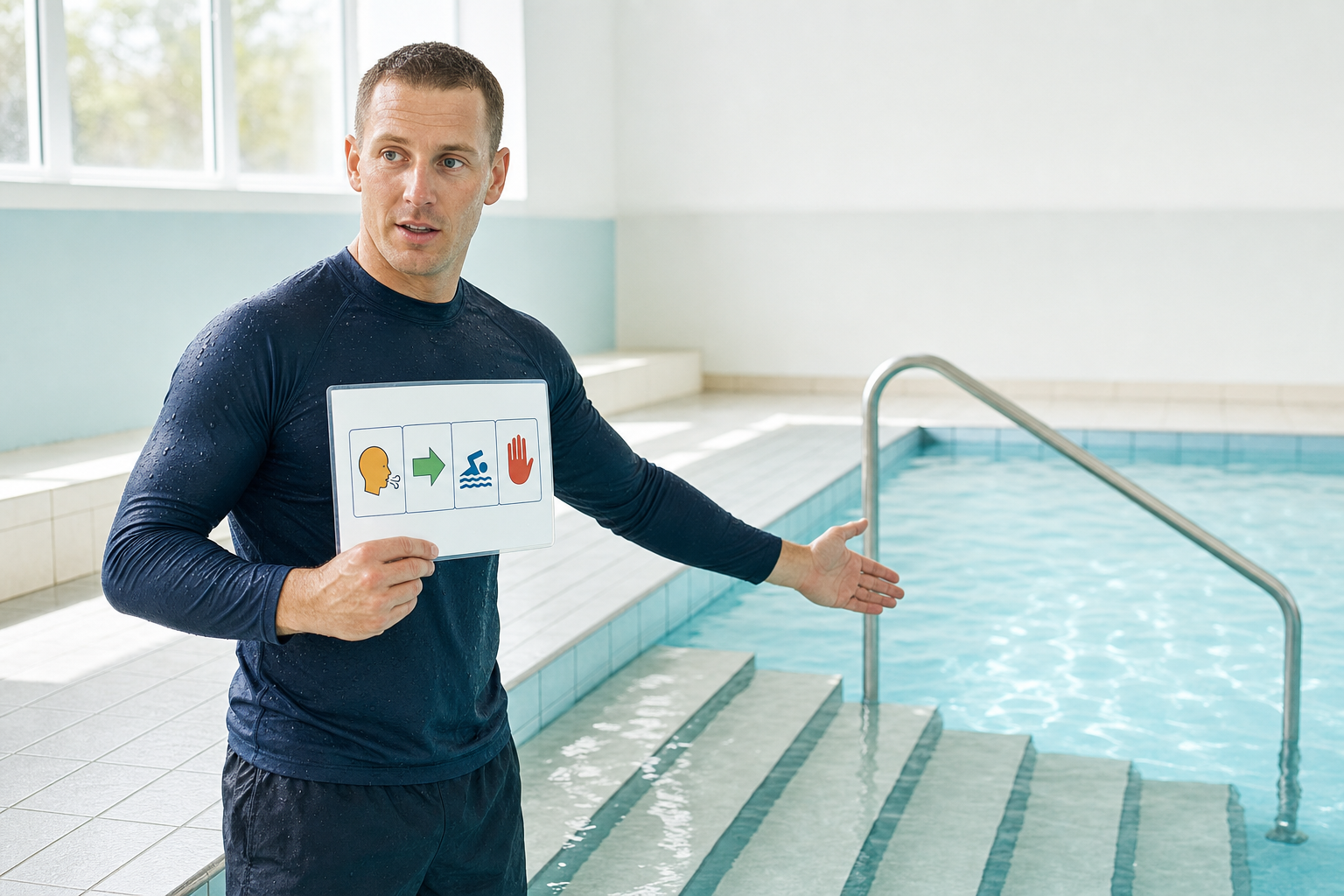
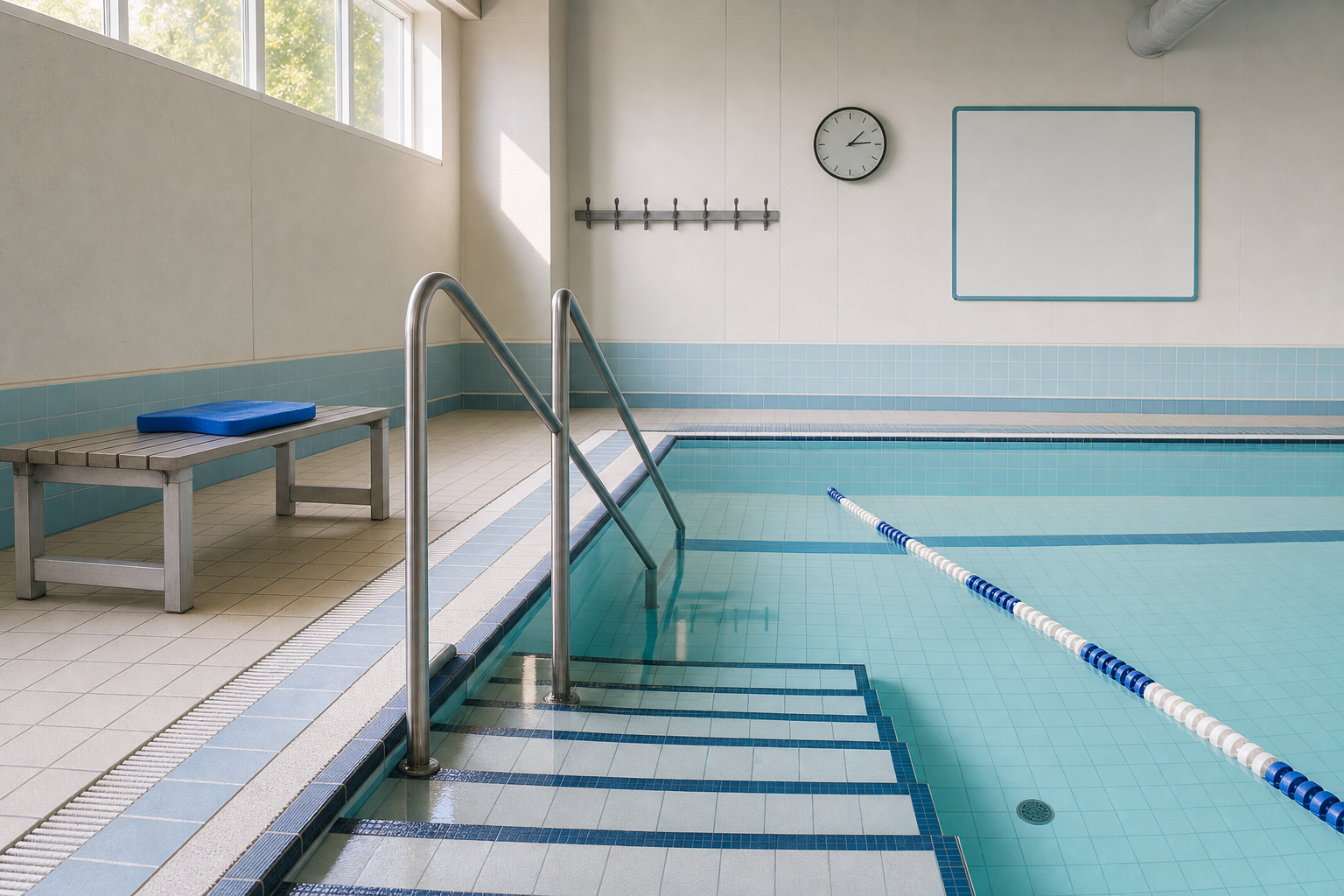
A clearer session structure can make the pool easier to understand and easier to cope with. In High Wycombe, we use a planned sequence, consistent cues and carefully managed transitions so the swimmer is not left guessing what comes next. Through Pro Swim Academy, teaching language, demonstrations and repetition can be shaped around how your child best understands instructions. We also take time to build familiarity with the pool environment itself, including water contact, sounds, movement around the session and changes between activities. That helps the swimmer settle before we ask for more difficult skills.
Goals that match the individual child
Autism-friendly lessons do not have to focus on stroke work alone. One child may need calmer engagement with the water, another may need safer independent movement, and another may be ready to develop stronger technique. We shape targets around what matters most to the swimmer and family. Families contact Pro Swim Academy when they want progress without losing predictability, because repeated cues and manageable steps help us build communication, confidence, safety and swimming skill together. The aim is a session your child can follow, trust and keep learning from.
Frequently asked questions
How structured are the sessions?
We keep a clear sequence in place so the swimmer can settle into a more predictable rhythm. That includes familiar cues, repeated task patterns and careful transitions between activities. Structure does not mean rigidity, but it does mean the lesson is easier to follow and less sudden.
Can teaching be adapted to my child's understanding?
Yes. We can rely more on demonstration, keep language simple, repeat cues consistently and use steps that are easier to process. The point is to help your child understand what is being asked in a way that fits them, rather than expecting them to adapt to one teaching style.
What if changes in routine are difficult?
We manage transitions carefully and avoid piling too many changes into one session. If a swimmer needs more time with one activity or with moving from one part of the lesson to another, we take that seriously. Small, well-handled changes usually support better learning than rushing through the plan.