Why calmer sessions make progress possible
Choice stays central
Swimmers are not pushed past what they can manage in that stage of learning.
Familiar tasks reduce stress
Repeated exercises make entry, floating and movement feel less unpredictable.
Confidence counts as progress
Willingness to take part is treated as a real step forward, not ignored.
A gentler route into the water
When a swimmer feels worried, the first goal is not perfect technique. It is helping the pool feel more manageable. In High Wycombe, we begin by finding out which parts of the experience cause the most anxiety, from stepping in and getting splashed to floating or putting the face in the water. Through Pro Swim Academy, lessons are shaped around achievable confidence goals and learner control. We use repeated, familiar exercises so each small success has time to settle. That makes the next step feel less sudden and helps the swimmer stay involved instead of overwhelmed.
Progress that starts with trust
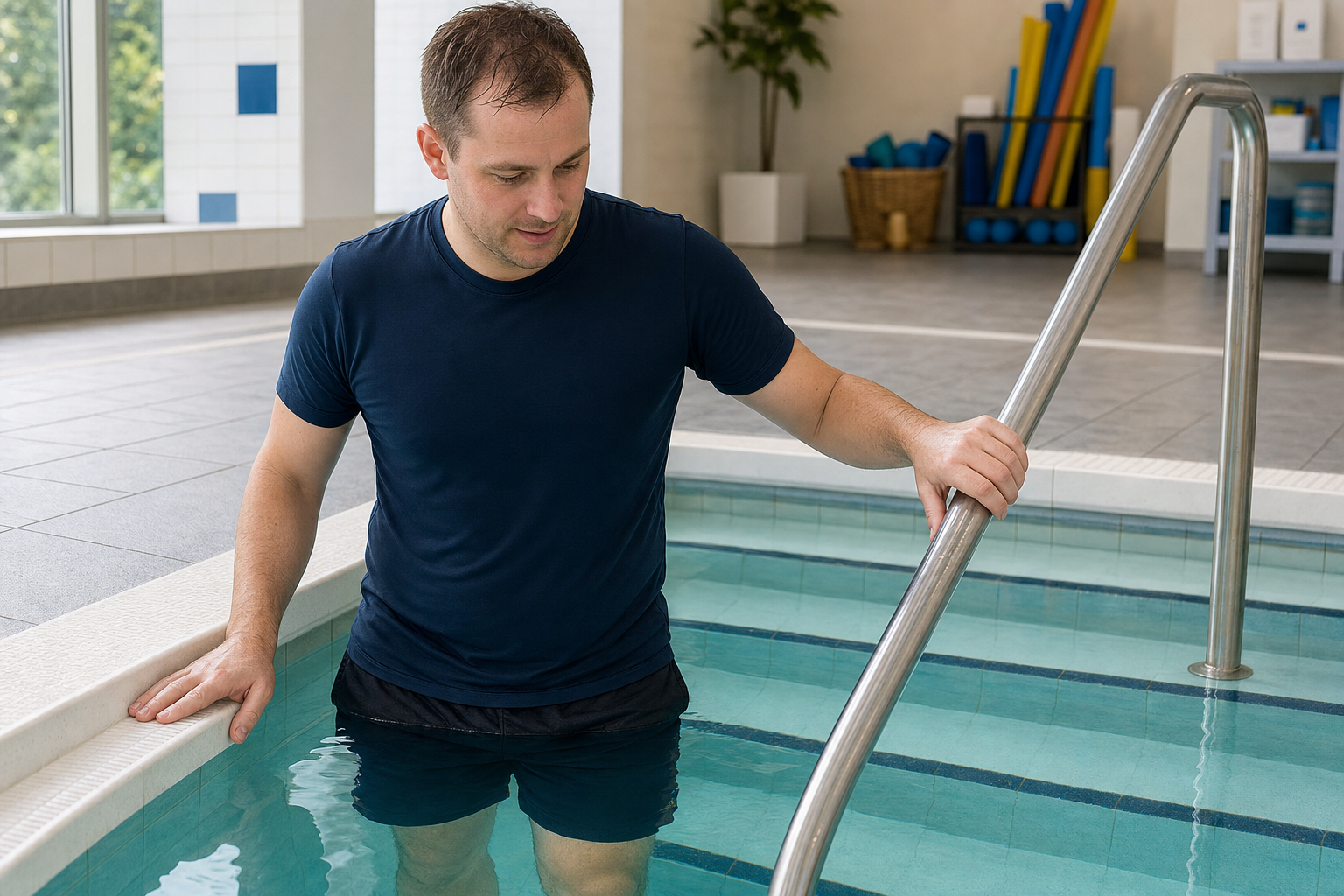
An anxious swimmer may first need to stand more calmly at the side, enter with less resistance or accept water on the face without panic. Those are real milestones, not side issues. We build from them towards floating, moving independently and developing safer, more confident swimming habits. Families turn to Pro Swim Academy when they want progress without pressure, because repetition and choice help restore a sense of control. As anxiety eases, we can introduce new skills at a pace the swimmer can genuinely cope with.
Frequently asked questions
What if my child will not enter the water?
We do not treat that as failure. It tells us where the starting point is. We can begin with the edge of the pool, simple contact with water or a supported entry, depending on what feels possible. The aim is to build trust first so future steps feel safer and more realistic.
How do you help with fear of water on the face?
We break that challenge into much smaller stages and repeat them calmly. That might mean tolerating splashes, touching water to the cheeks, or practising controlled wetting of the face before any full submersion is considered. The swimmer keeps time to adjust before we move on.
Can anxious swimmers move into other lessons later?
Yes, many do once their confidence is stronger. Nervous swimmer lessons can act as a bridge, helping the child feel safer with entry, floating, movement and pool routines before moving into broader swimming development. We only suggest that change when the swimmer seems ready for it.