What these lessons help swimmers do
Stay calmer under pressure
Breathing control and buoyancy work help swimmers regain control more quickly.
Move towards safety
Self-rescue steps teach orientation, floating and safer exit decisions clearly.
Think as well as swim
Hazard awareness and limits are taught alongside physical pool skills.
Swimming safely starts with practical decisions
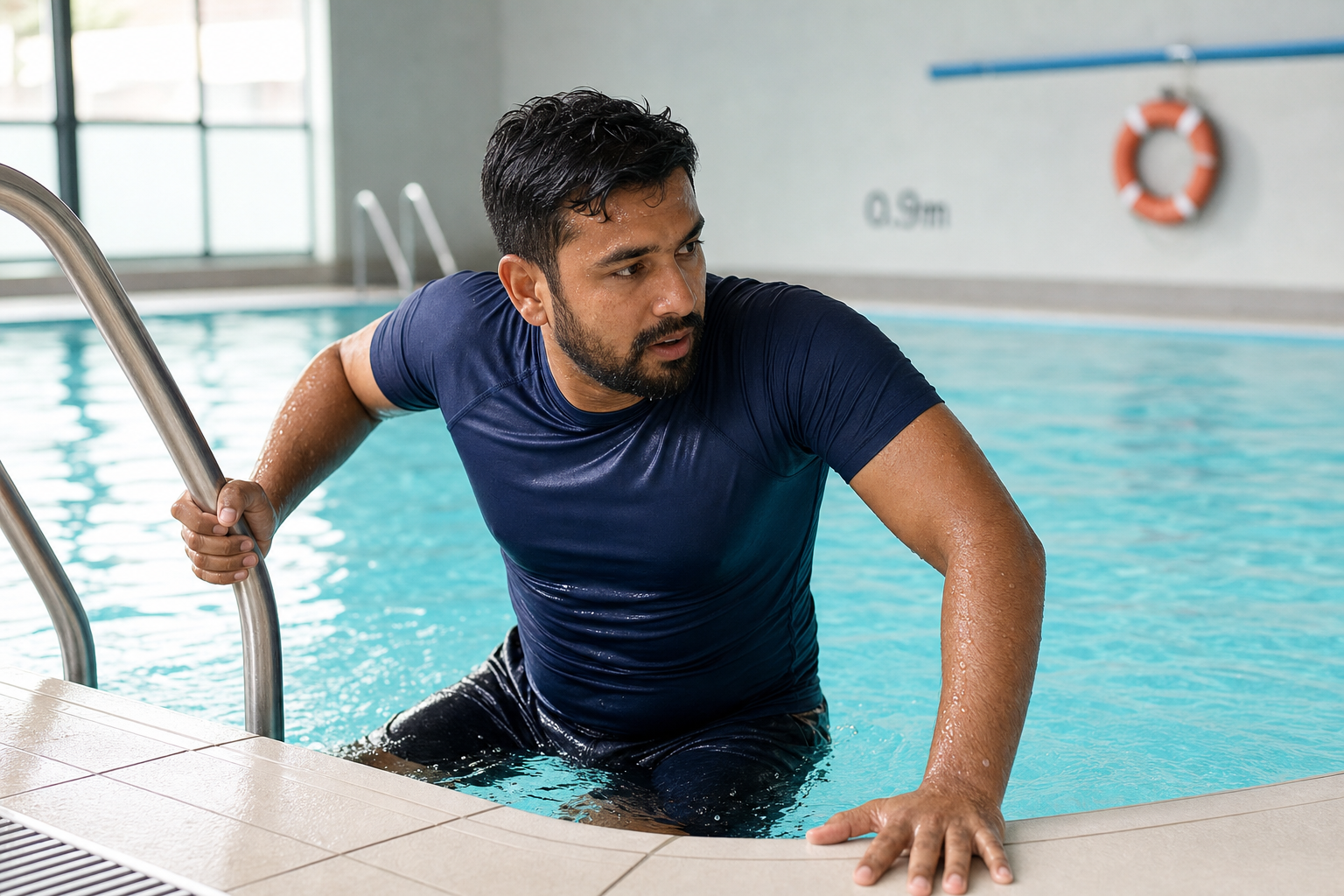
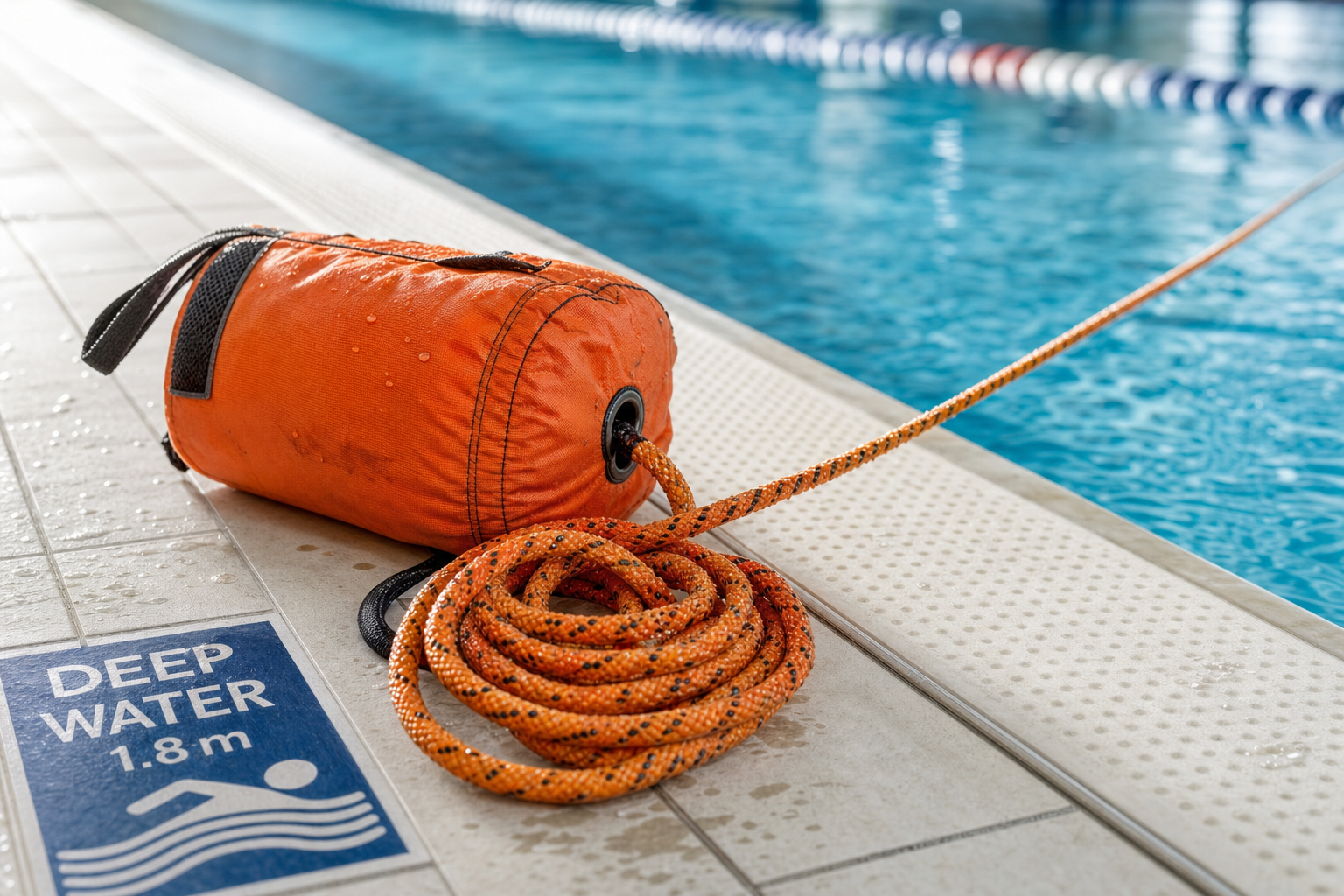
Being able to move through the water is only part of safer swimming. In High Wycombe, these lessons focus on hazard awareness, safer entry choices, recognising personal limits and knowing how to attract help. Through Pro Swim Academy, we teach self-rescue as a practical sequence: control breathing, regain buoyancy, orientate, move towards safety and exit securely. We also work on the supporting skills that make that sequence possible, such as floating, turning, maintaining an airway, treading water and reaching the pool edge. The aim is usable judgement and safer action, not just more stroke practice.
Different from stroke lessons for a reason
Water safety tuition does not replace broader swimming development, but it does address a different need. A swimmer may be able to travel through the water and still struggle to stay calm, regain position or make a safer decision if something goes wrong. Families come to Pro Swim Academy when they want those survival skills explained and practised clearly. We keep the work practical and relevant, helping swimmers understand not only what to do in the water, but why those choices matter when confidence drops or conditions change.
Frequently asked questions
What self-rescue skills do you teach?
We focus on the practical sequence that helps a swimmer recover control: breathing more calmly, regaining buoyancy, turning to orientate, moving towards a safer point and exiting securely. Supporting skills can include floating, treading water, maintaining the airway and reaching the side.
Is this different from normal swimming lessons?
Yes. Standard lessons often centre on confidence and stroke development. Water safety work looks more directly at decision-making, hazard awareness and what to do if a swimmer becomes unsettled or gets into difficulty. The two areas support each other, but they are not exactly the same.
Who benefits most from water safety lessons?
They are useful for children building broader swimming confidence, swimmers who need clearer survival skills and families who want practical self-rescue taught directly rather than left as an assumed by-product of stroke practice. The lessons give safer habits a more deliberate place in learning.