Why an intensive block can work well
Repetition comes sooner
Skills are revisited more often, which can help learning feel more connected.
One main goal stays central
The course targets a clear priority instead of scattering effort too widely.
Consolidation is planned
We pace sessions so improvements have time to settle between repeats.
Concentrated learning with a clear target
Some swimmers benefit from a more concentrated block of lessons, especially when there is one main area that needs focused attention. In High Wycombe, an intensive course uses frequent repetition and closer session continuity to help that skill settle more quickly. With Pro Swim Academy, we begin by identifying the swimmer's present level and choosing a defined goal, such as a confidence breakthrough, a technique improvement or preparation for a specific milestone. That keeps the course purposeful. Rather than trying to fix everything at once, we build a targeted sequence of tasks that the swimmer can repeat and improve across the block.
Progress that stays controlled, not rushed
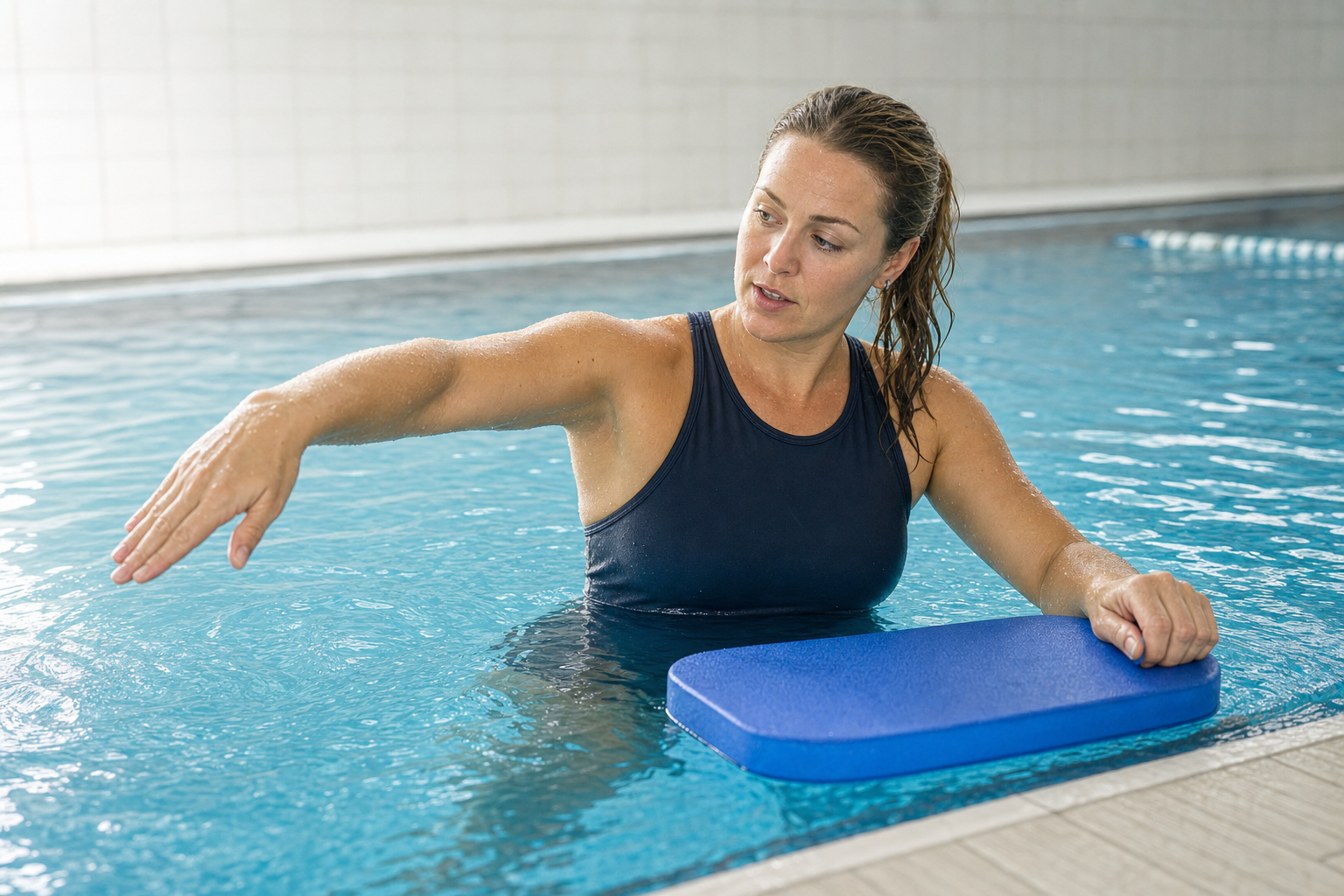
Intensive work should still feel measured. We plan the pace so the swimmer has time to recover, absorb feedback and consolidate new patterns from one session to the next. Families come to Pro Swim Academy when they want more continuity without losing care over how the swimmer copes. Frequent practice can be especially useful for confidence work or a technical issue that needs repeated attention, but it only helps when the steps remain realistic. We keep the goal narrow enough to stay useful and the progression calm enough for learning to last.
Frequently asked questions
Who suits an intensive swimming course?
It can suit swimmers needing a confidence breakthrough, focused stroke improvement or preparation for a specific milestone. The key is having a clear reason for using a concentrated format. We look at current ability, confidence and goals before deciding whether that approach makes practical sense.
Will you try to cover every skill at once?
No. Intensive lessons work best when the focus is tight. We would rather move one important area forward properly than rush across too many goals and leave the swimmer overloaded. A clear priority helps each session connect to the next and makes progress easier to understand.
How do you keep progress controlled?
We build the course around a realistic baseline, repeated task sequence and sensible pacing between sessions. That means watching how the swimmer is coping, allowing time for consolidation and adjusting the demand if needed. Frequent lessons can still be calm lessons when the plan is structured well.