
How we make a return to water feel possible
Triggers are taken seriously
We look at what now feels unsafe and plan from that real starting point.
Choice helps restore control
Manageable options reduce pressure and help the swimmer trust the process again.
Early wins still count
Calmer entry and basic water contact are treated as genuine progress markers.
Rebuilding trust after a bad water experience
A frightening incident can change how a child responds to the water, even if they previously coped well. In High Wycombe, we begin by understanding what happened and which parts of the pool experience now feel unsafe, such as entry, deeper water, submersion or losing physical support. Through Pro Swim Academy, that first assessment stays trigger-aware and practical. We do not rush past the fear or treat it as a small issue. Instead, we use choice, repetition and controlled exposure to help the swimmer rebuild a sense of safety, trust and control one manageable step at a time.
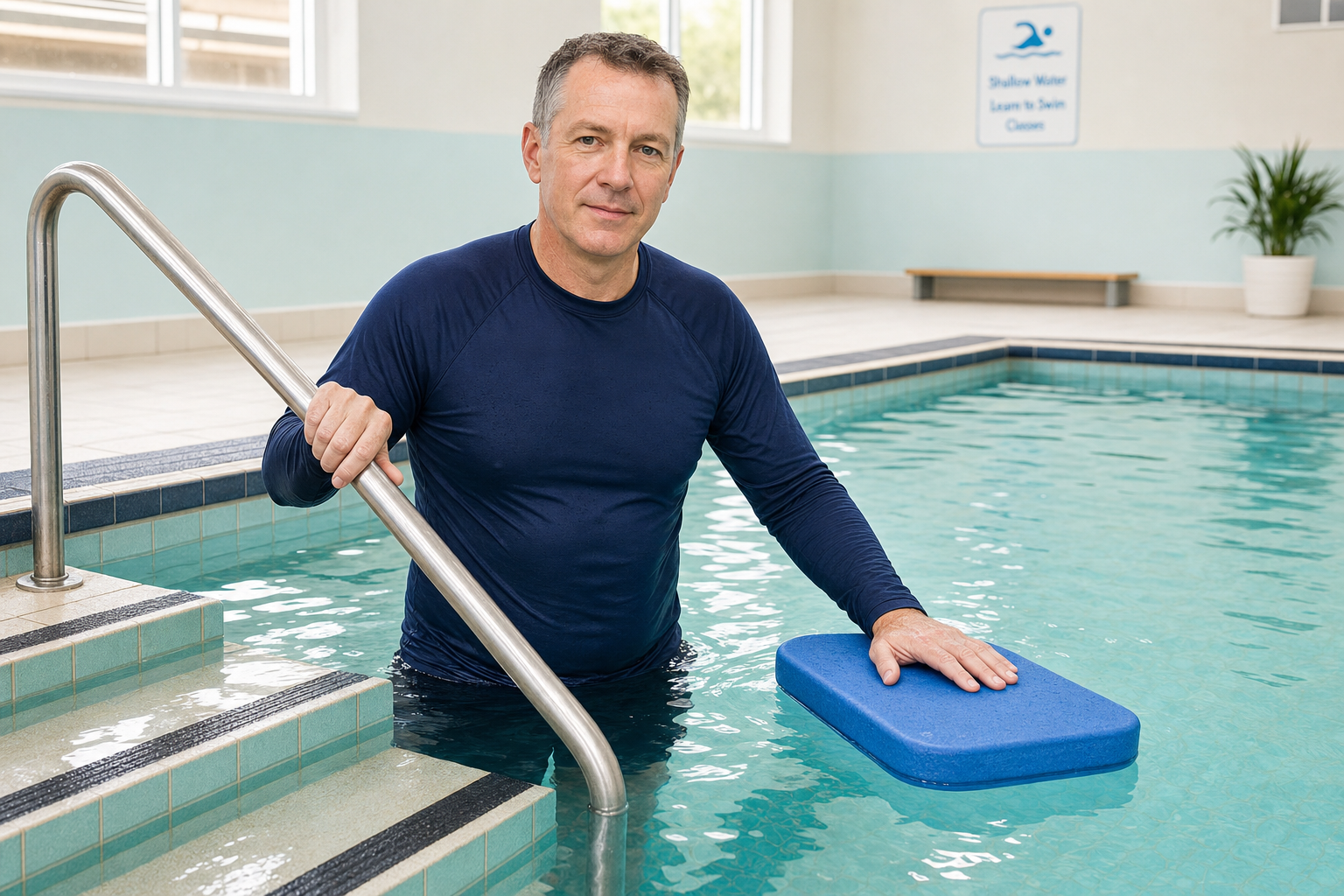
Milestones that matter in the early stages
After water trauma, progress may begin with approaching the pool more calmly, entering without distress or tolerating simple water contact. Those are meaningful wins because they show the swimmer is beginning to feel safer again. Families come to Pro Swim Academy when they want support that respects the experience without leaving the child stuck in it. As confidence returns, we can move towards floating, supported movement and more independent swimming actions. The pace stays controlled so each new gain has time to settle before the next challenge appears.
Frequently asked questions
Do swimmers have to submerge straight away?
No. We only work on submersion when it is appropriate for the swimmer and their stage of recovery. If water on the face, splashing or standing in the pool already feels difficult, those steps come first. The aim is to rebuild safety gradually, not to force a dramatic breakthrough.
How do you handle a past bad lesson or incident?
We begin by understanding what the swimmer now reacts to and how strongly. That helps us avoid guessing. We then plan tasks that feel controlled and repeatable, giving the swimmer choice where possible. This helps rebuild trust instead of repeating the same sense of helplessness that caused the setback.
What counts as progress at first?
Early progress can be very practical: walking towards the pool with less distress, stepping in more calmly, accepting water contact or moving a short distance with less fear. Those changes matter because they show the swimmer is regaining enough security to keep learning safely in future sessions.