Support that respects how your child learns
Adapted lesson steps
Tasks are adjusted around communication, movement and confidence needs.
Routine reduces pressure
Clear structure and repetition help pool learning feel easier to follow.
Family knowledge matters
Your insight helps us shape motivators, support methods and safety priorities.
Swimming support shaped around the child
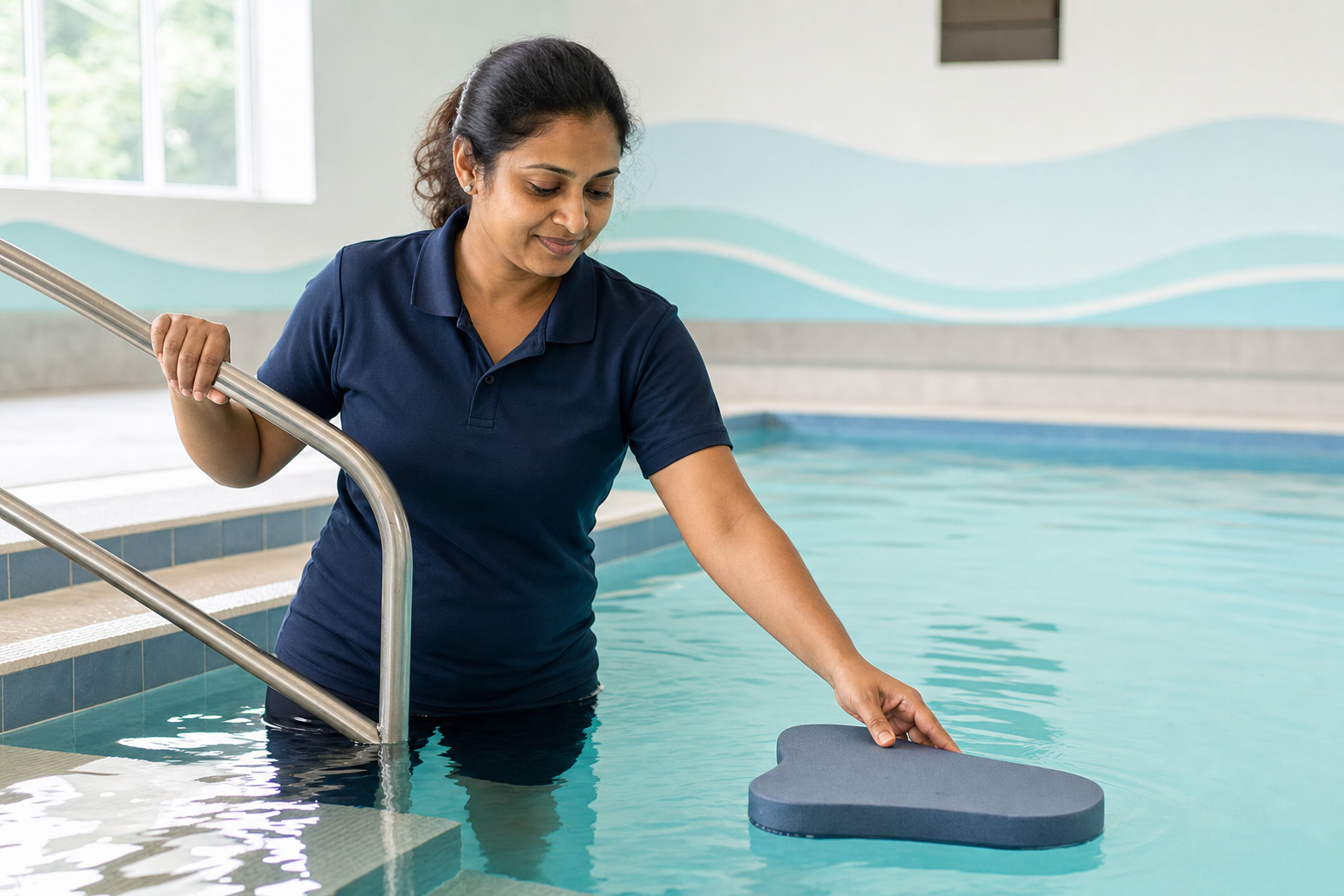
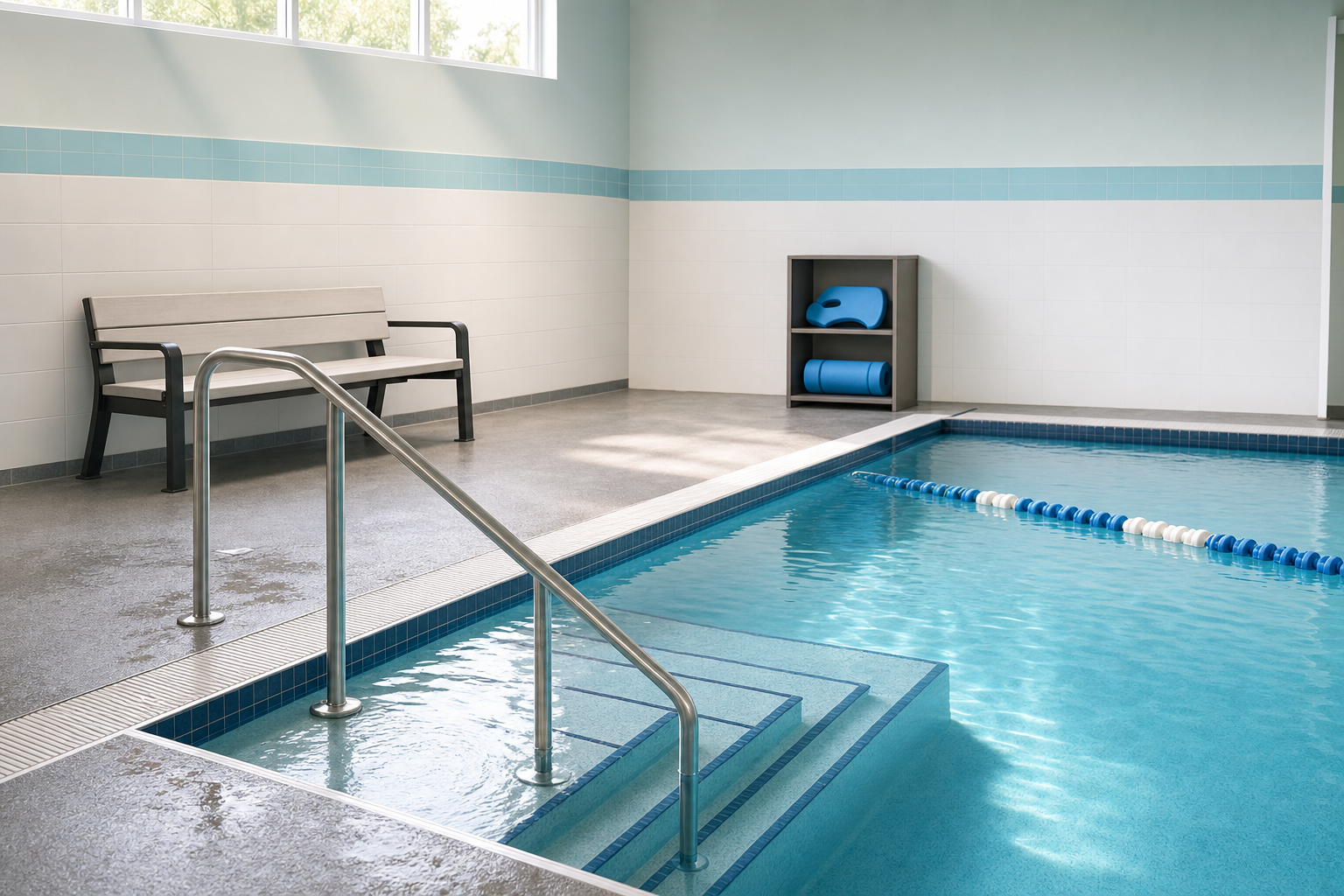
No two children learn the same way, and that matters even more when additional needs affect communication, processing, mobility, coordination or confidence. In High Wycombe, we build lessons around the individual rather than expecting the swimmer to fit a fixed pattern. With Pro Swim Academy, activities can be adapted in pace, instructions, physical support and skill steps so the session makes sense to the child in front of us. We focus on helping each swimmer take part meaningfully, feel safer in the pool and develop practical swimming ability in a way that respects how they learn best.
Predictable teaching with useful family input
Predictable routines, clear instructions and repetition can make pool learning more manageable, especially when a child needs time to process, respond or tolerate change. We also value family insight because you know what motivates your child, what communication methods work and where the main water-safety priorities sit. Families come to Pro Swim Academy when they want thoughtful adjustments rather than broad reassurance. That shared information helps us create a lesson structure that supports confidence, participation and genuine swimming progress instead of asking the child to mask or simply cope.
Frequently asked questions
Can lessons be adapted around communication needs?
Yes. We can simplify language, rely more on demonstration, repeat cues more consistently and break tasks into smaller parts. The goal is to make instructions easier to understand and easier to act on in the water, rather than expecting the swimmer to keep up with a standard delivery style.
Should we share routines or motivators before lessons?
Please do. Knowing what helps your child settle, communicate or stay engaged can make the session more productive from the start. That might include favourite cues, preferred rewards, sensitivities, movement needs or practical concerns around changing, entry and transitions in the pool.
What outcomes do you focus on most?
That depends on the child, but common priorities include meaningful participation, water confidence, safer pool behaviour, supported or independent movement and swimming development that fits real life. We keep goals personal and useful rather than pushing a standard idea of what progress should look like.